
You deserve support for what’s hurting beneath the surface.
Self-Harm Help in
Altamonte Springs, FL
Support for self-harm, intense emotions, and the pain that feels difficult to put into words.
Teens & Adults
Ages 10+
narrative therapy · ACT
Trauma Informed
In-person or virtual
Florida-wide

Hurting yourself doesn't mean you want to be hurt.
Help with self harm through compassionate support.
Self-harm is often a way of coping with emotional pain that feels overwhelming, confusing, or impossible to put into words. For some people, it creates a temporary sense of relief. For others, it's a way to release intense emotions, punish themselves, feel something when they're numb, or regain a sense of control.
You may find yourself hiding what you're going through, feeling ashamed afterward, or wondering why you keep turning to something that hurts you. The truth is, self-harm isn't a sign of weakness, attention-seeking, or failure. It's often a sign that you're carrying more pain than you were ever meant to carry alone.
At New Light Counseling, we provide compassionate, evidence-based support for individuals struggling with self-harm. Therapy offers a safe space to talk openly without judgment, understand what's beneath the behavior, and develop healthier ways to cope with difficult emotions.
What might self-harm look like?
Cutting, scratching, or burning
Hitting yourself or intentionally causing injury
Feeling overwhelmed by intense emotions
Using pain to cope with emotional distress
Feeling emotionally numb or disconnected
Harsh self-criticism or self-punishment
Hiding injuries or feeling ashamed afterward
Experiencing urges to self-harm during difficult moments
Many people struggling with self-harm believe they should be able to stop on their own. But beneath the behavior is often a need for support, understanding, and healthier ways to manage emotional pain. You don't have to figure it out by yourself.
Our approach to self-harm help.
We won't focus on stopping the behavior. We'll focus on the pain.
Self-harm is often a response to emotional pain that feels overwhelming, confusing, or difficult to express. Rather than focusing solely on the behavior itself, we help clients understand what's underneath the urge to self-harm, build healthier coping strategies, and develop tools for navigating difficult emotions with greater confidence and self-compassion.
Dialectical Behavior Therapy (DBT)
01
Build skills for emotional regulation, distress tolerance, mindfulness, and navigating intense emotions without turning to self-harm.
Understanding Triggers & Emotional Patterns
02
Identify the situations, thoughts, emotions, and experiences that contribute to self-harm urges so they can be addressed more effectively.
Self-Compassion & Shame Reduction
03
Many individuals struggling with self-harm carry significant shame, self-criticism, or feelings of not being good enough. Therapy helps create a more compassionate relationship with yourself.
Trauma-Informed Therapy
04
For many people, self-harm is connected to trauma, difficult life experiences, or emotional wounds that haven't had space to heal.
Narrative Therapy
05
Explore the stories you've come to believe about yourself, your worth, and your pain. Together, we'll separate you from the problem, challenge self-critical narratives, and create space for a more compassionate understanding of your experiences.
Healthy Coping & Distress Tolerance Skills
06
Develop practical tools for managing overwhelming emotions, emotional numbness, and difficult moments in ways that feel safer and more sustainable.
Healing isn't just about stopping self-harm. It's about understanding your pain, building new ways to cope, and reconnecting with the parts of yourself that deserve care, compassion, and hope.
We're here to help you find healing beyond the pain.
Don’t carry this alone. Get self-harm help in Altamonte Springs, FL.
Self-harm can feel like the only way to manage emotions that are overwhelming, painful, or difficult to put into words. You may feel stuck in a cycle of hurting yourself, feeling relief, and then carrying the weight of shame, guilt, or loneliness afterward.
Therapy offers a different path. Together, we'll create a safe space to understand what's underneath the urge to self-harm, develop healthier ways to cope, and build a life where you no longer have to carry that pain by yourself. We offer help with self-harm in greater Orlando and across Florida via online therapy.
WORK WITH A THERAPIST WHO BELIEVES HEALING IS POSSIBLE
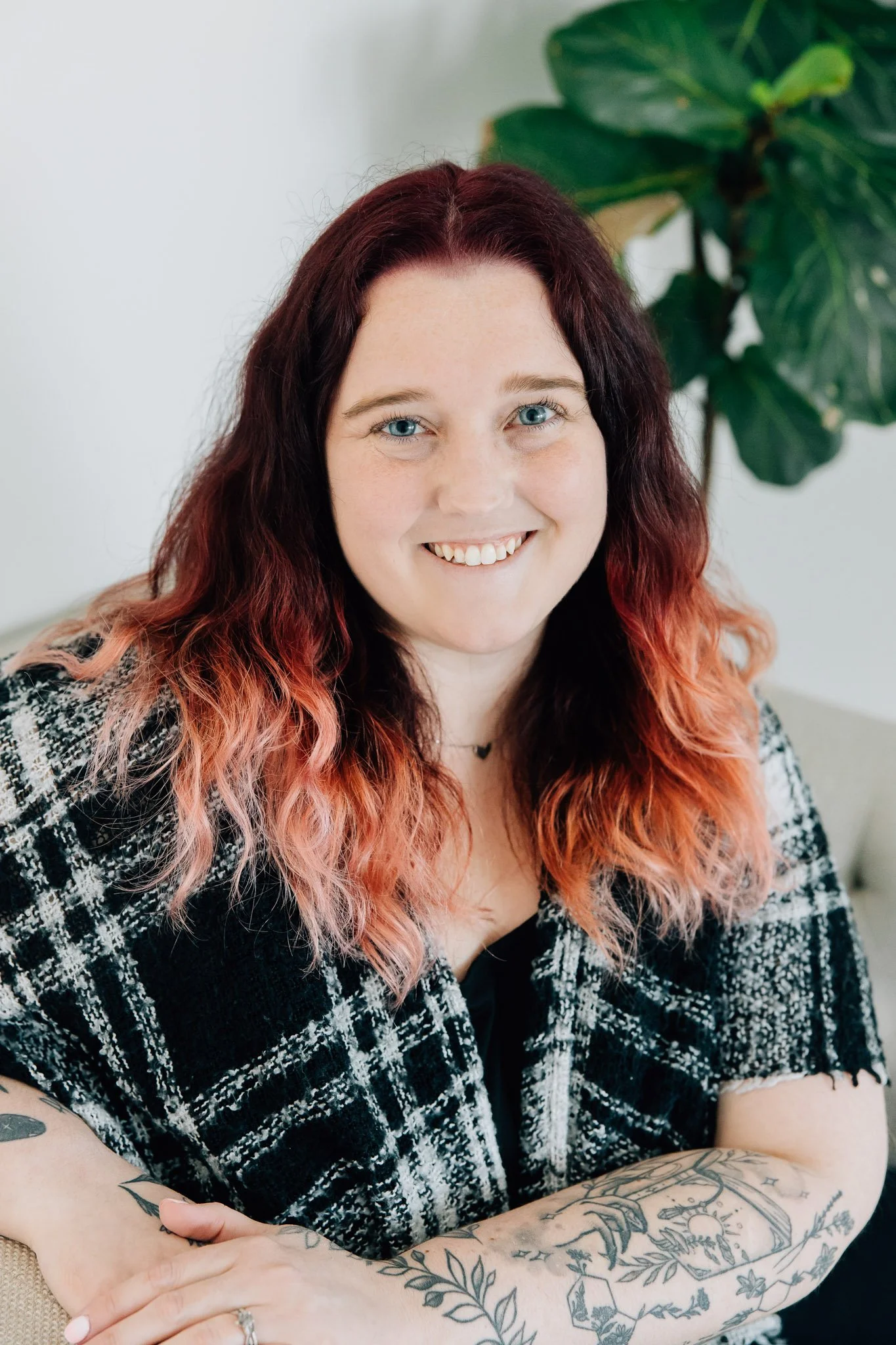
Meet Jess.
Jess Parker, LMHC, specializes in working with teens (17+) and adults navigating self-harm, overwhelming emotions, and the quiet pain they often feel they have to carry alone. She understands that self-harm isn't about seeking attention—it's often a way of coping, surviving, or finding relief when emotions feel too big to hold.
Jess creates a space where you don't have to hide the parts of yourself you're afraid others won't understand. Her approach is warm, nonjudgmental, and deeply compassionate, helping clients explore the emotions beneath self-harm while building safer, more sustainable ways to cope. Together, you'll work toward understanding your story, strengthening self-compassion, and creating a life that feels worth staying present for.